 GHI PACK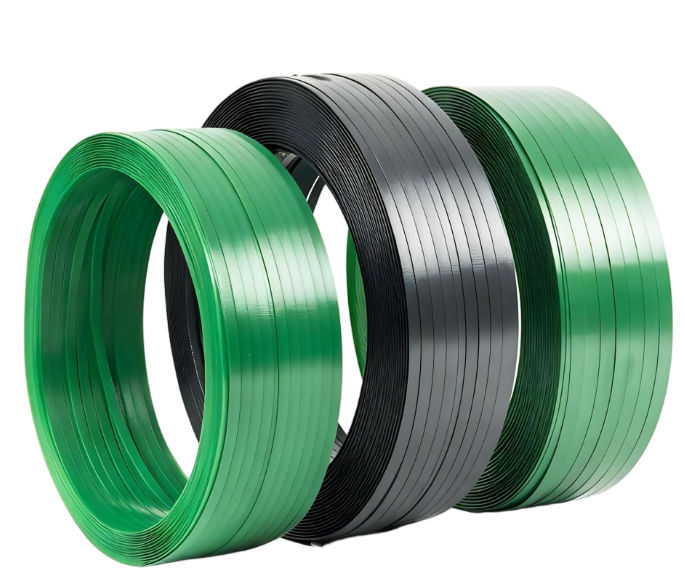
What is PET strapping?
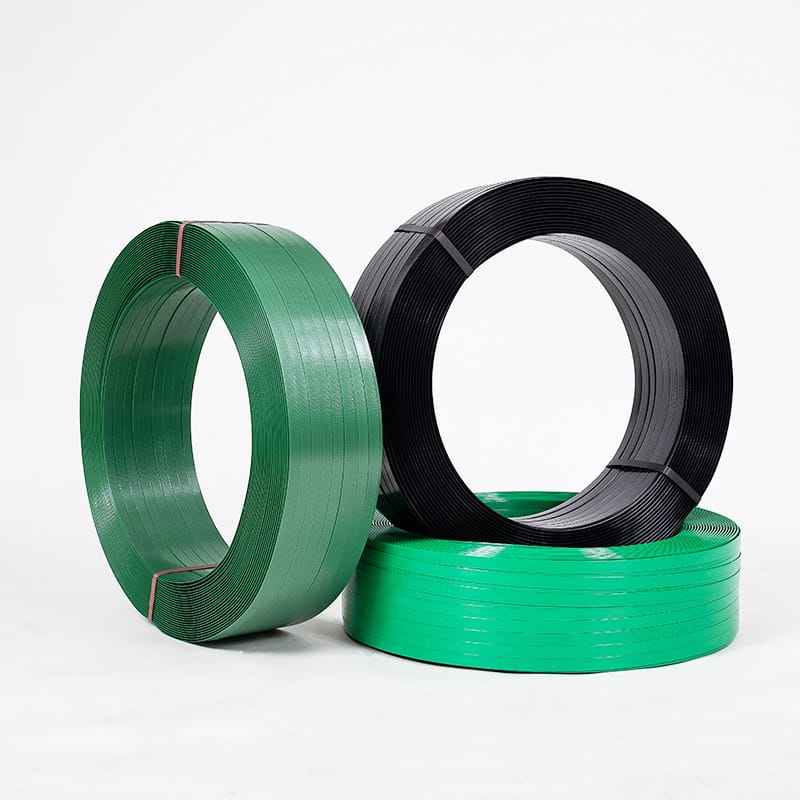
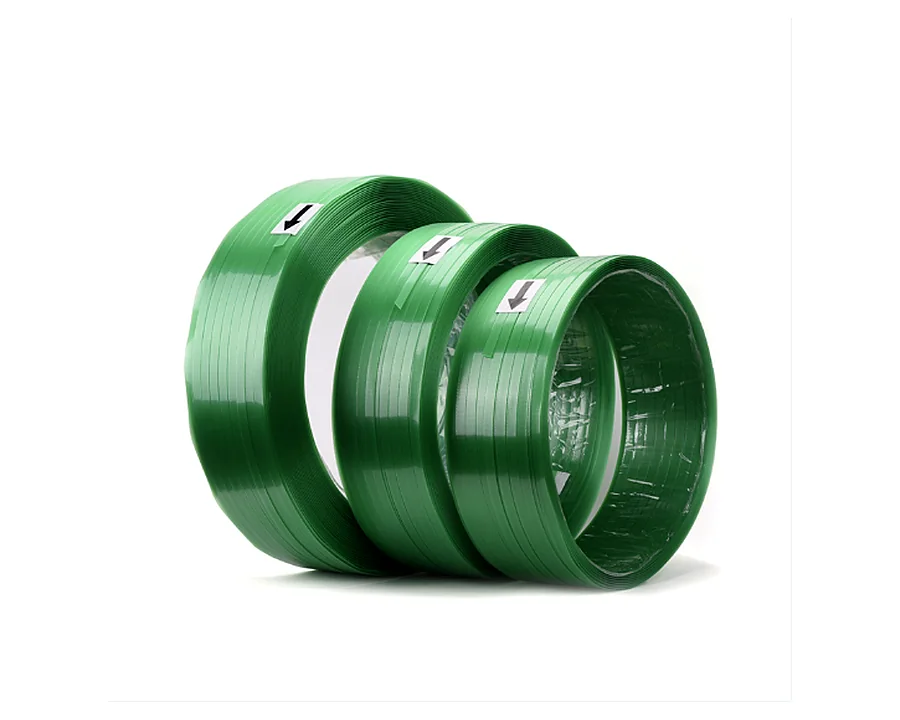
PET strapping, also called polyester strapping, is a plastic packaging strap designed for securing medium and heavy loads. Compared with light-duty bundling materials, it offers better retained tension and stronger load stability, which is why it is common in pallet packaging, construction materials and export shipments.
For distributors and industrial buyers, PET strapping is usually selected when the load is too heavy for normal PP strapping but the customer still wants a safer and lighter alternative to steel strap.
Why buyers use PET strapping
- It provides higher strength for medium and heavy loads.
- It keeps tension better during transport and storage.
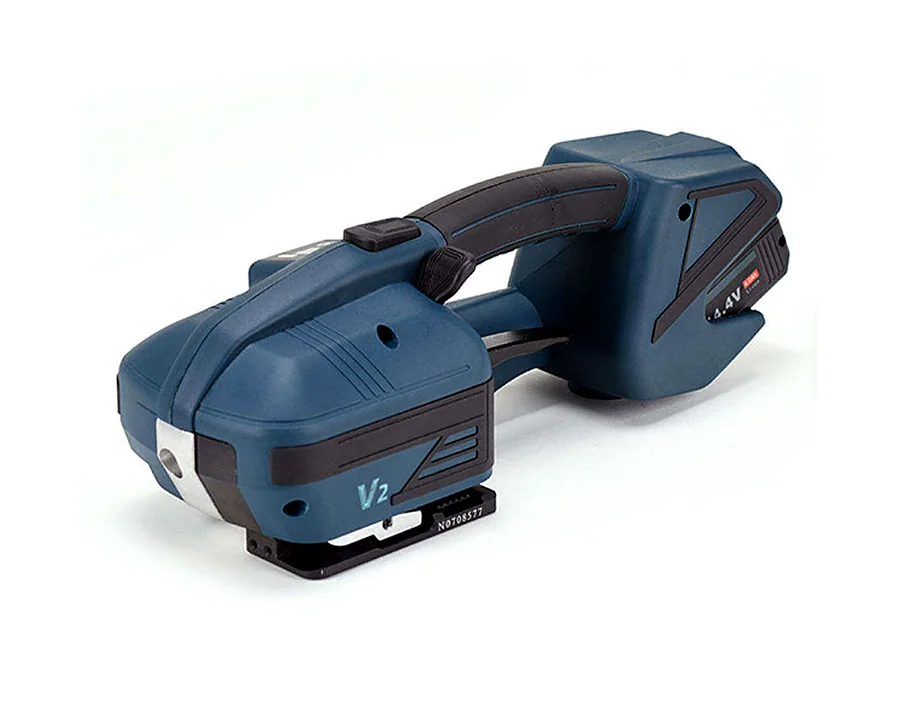
- It is suitable for battery tools, pneumatic tools and some automatic systems.
- It is safer and easier to handle than steel strap in many applications.
Common PET strapping specifications
PET strap is available in different widths and thicknesses. In practice, buyers should choose according to product weight, edge condition, transport distance and the type of strapping tool or machine being used.
| Typical width | Typical thickness | Typical application | General strength level |
|---|---|---|---|
| 12 mm | 0.6â0.7 mm | Cartons, lighter pallets | Medium |
| 16 mm | 0.8â1.0 mm | Bricks, tiles, palletized cargo | High |
| 19 mm | 1.0â1.2 mm | Timber, metal products, heavier loads | Very high |
What affects PET strap performance
- Load weight and shape
- Required retained tension during warehousing and transport
- Whether the load has sharp edges or rough surfaces
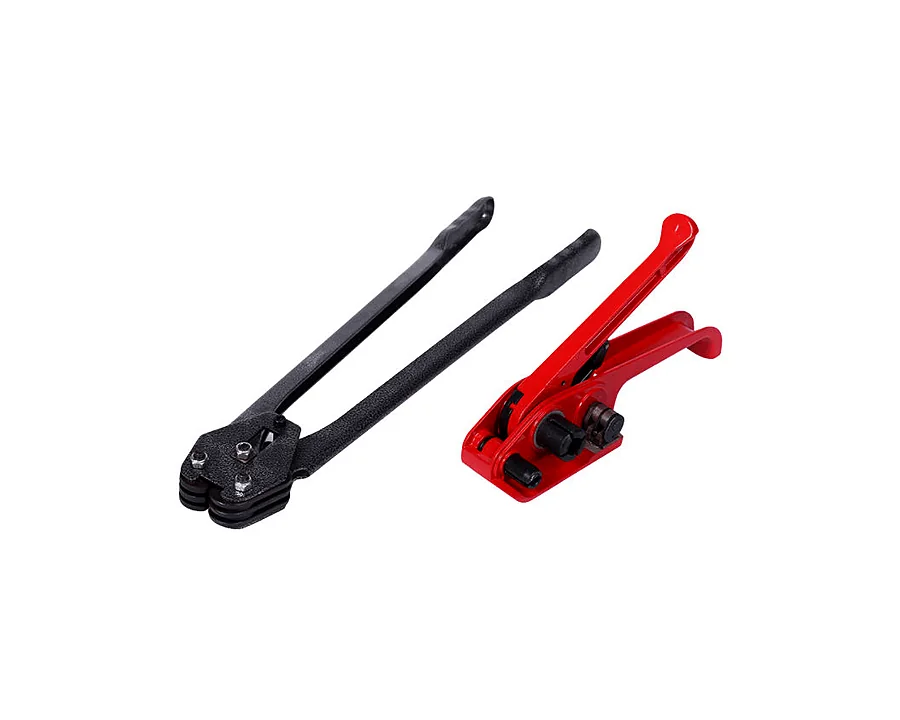
- Tool compatibility, sealing method and operating conditions
Where PET strapping is used
PET strapping is widely used in industries where load security is more important than extremely low material cost. Buyers often choose it for applications that need stronger bundling performance and better stability over long transport distances.
- Palletized goods in logistics and warehousing
- Bricks, blocks and other building materials
- Timber, boards and long products
- Metal coils, profiles and industrial components
- Export cargo that must stay stable during sea transport
How to choose the right PET strapping
A practical buying decision should not rely only on width or price. Buyers should match the strap to the load condition, tool type and market positioning. A distributor may also need to think about whether the end user prefers hand tools, battery tools or automatic equipment.
| Buyer question | What to check | Practical recommendation |
|---|---|---|
| How heavy is the load? | Unit weight, pallet stability, transport risk | Move to stronger PET grades as load weight and movement risk increase. |
| What tool will be used? | Battery tool, pneumatic tool, machine | Confirm width, thickness and sealing compatibility before quoting. |
| Is the market price-sensitive? | End-user budget and performance requirement | Offer a standard grade first, then upgrade if better retained tension is needed. |
| Is the cargo exported? | Shipping distance and stacking condition | Prefer stable PET specifications with proven transport performance. |
For a practical PET strapping quotation, send the required width, thickness, quantity, application and destination country. This makes it much easier to recommend a realistic specification instead of a generic offer.